Issues
Life Science
Physical Science
Art & Popular Culture
Society & Education
Philosophy & History
Ethograms
Paradigms
Field Trials
Model Specimens
Overt Analyser
Field Studies
Gene Dosage
Sampling Eras
Podcast
Subscribe
Pitch to Lateral
Contribute
Join the Team
About

Lateral Magazine

Issues
Life Science
Physical Science
Art & Popular Culture
Society & Education
Philosophy & History
Ethograms
Paradigms
Field Trials
Model Specimens
Overt Analyser
Field Studies
Gene Dosage
Sampling Eras
Podcast
Subscribe
Pitch to Lateral
Contribute
Join the Team
About
  • Filter: Philosophy & History
  • All
  • Art & Popular Culture
  • Hiatus Edition
  • Issue 1
  • Issue 10
  • Issue 11
  • Issue 12
  • Issue 13
  • Issue 14
  • Issue 15
  • Issue 16
  • Issue 17
  • Issue 18
  • Issue 19
  • Issue 2
  • Issue 20
  • Issue 21
  • Issue 22
  • Issue 23
  • Issue 24
  • Issue 25
  • Issue 26
  • Issue 27
  • Issue 28
  • Issue 29
  • Issue 3
  • Issue 30
  • Issue 31
  • Issue 4
  • Issue 5
  • Issue 6
  • Issue 7
  • Issue 8
  • Issue 9
  • Life Science
  • Nov 2017
  • Philosophy & History
  • Physical Science
  • Society & Education
July 31, 2017
By Jack Brooks
Philosophy & History, Issue 23

The promise and pitfalls of self-experimentation

July 31, 2017
By Jack Brooks
Philosophy & History, Issue 23
The promise and pitfalls of self-experimentation

Self-experimentation is risky but has led to major scientific breakthroughs. Can science and society learn to work together to get the best of both worlds?

July 31, 2017
By Jack Brooks
Philosophy & History, Issue 23

Tagged: general

July 3, 2017
By Jennifer Tsang
Issue 23, Philosophy & History

How luciferin brought living light to folklore and science

July 3, 2017
By Jennifer Tsang
Issue 23, Philosophy & History
How luciferin brought living light to folklore and science

Bioluminescent glows have fuelled myths and legends for thousands of years. Jennifer Tsang explores how cultures around the world have interpreted luciferin's glow. 

July 3, 2017
By Jennifer Tsang
Issue 23, Philosophy & History

Tagged: themed

2 Comments
June 7, 2017
By Sophie Burgess
Philosophy & History, Issue 22

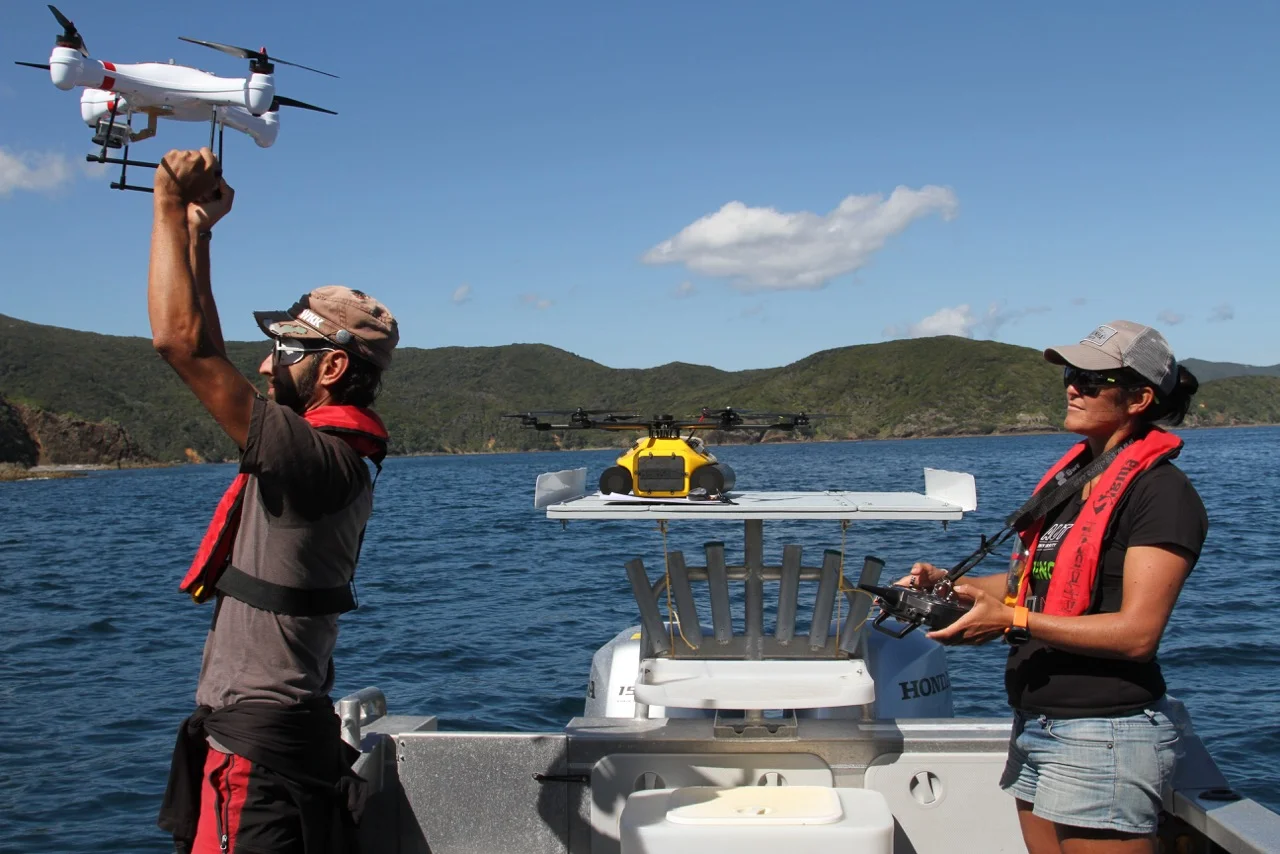
A bird's-eye view of the ocean

June 7, 2017
By Sophie Burgess
Philosophy & History, Issue 22
 A bird's-eye view of the ocean

Autonomous vehicles are helping many scientists monitor marine animals. But as they become cheaper and easier to use, will they disrupt the wildlife we seek to protect?

June 7, 2017
By Sophie Burgess
Philosophy & History, Issue 22

Tagged: general

May 17, 2017
By Lucy Dickie
Philosophy & History, Issue 22

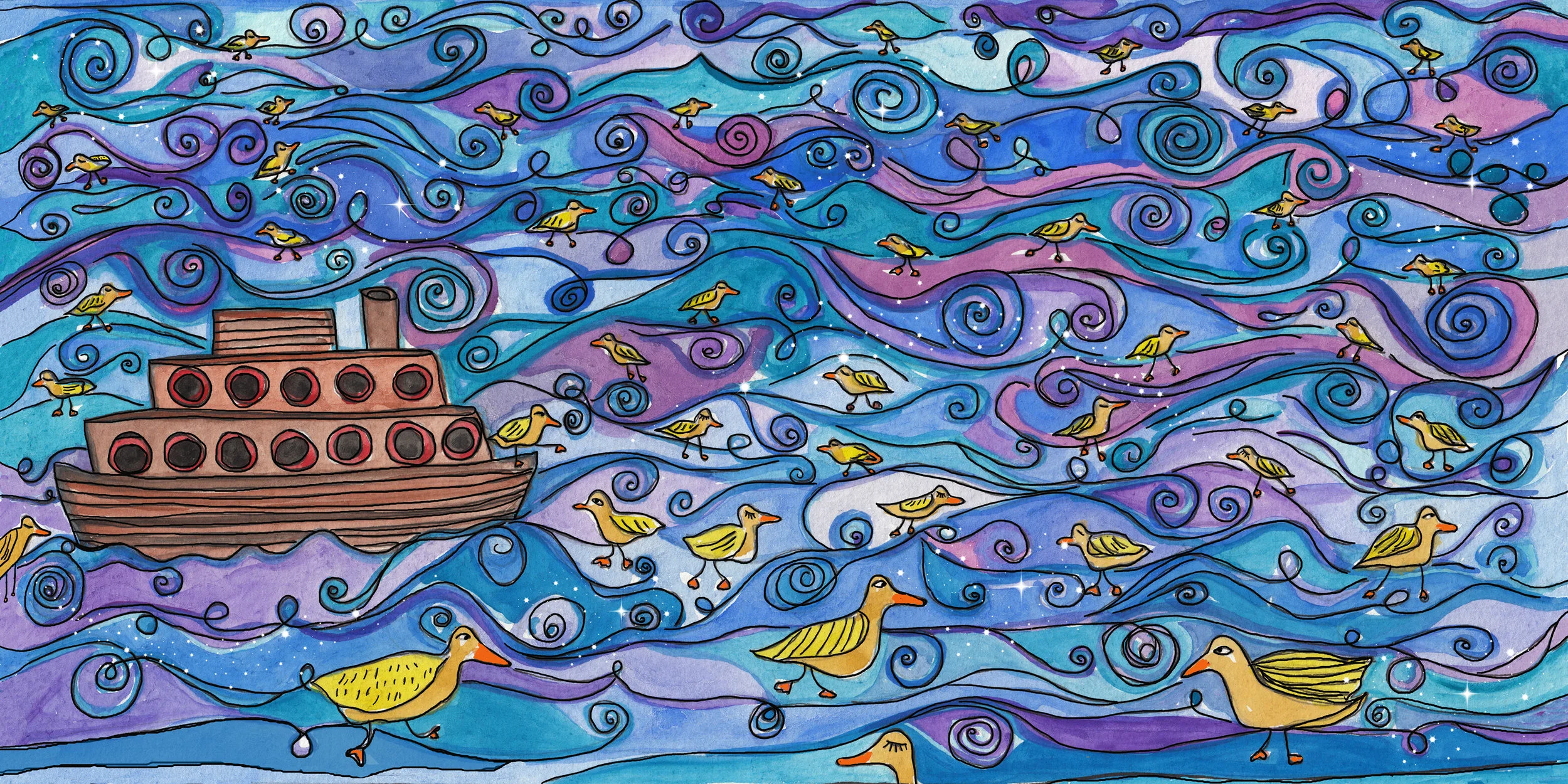
Going with the flow

May 17, 2017
By Lucy Dickie
Philosophy & History, Issue 22
Going with the flow

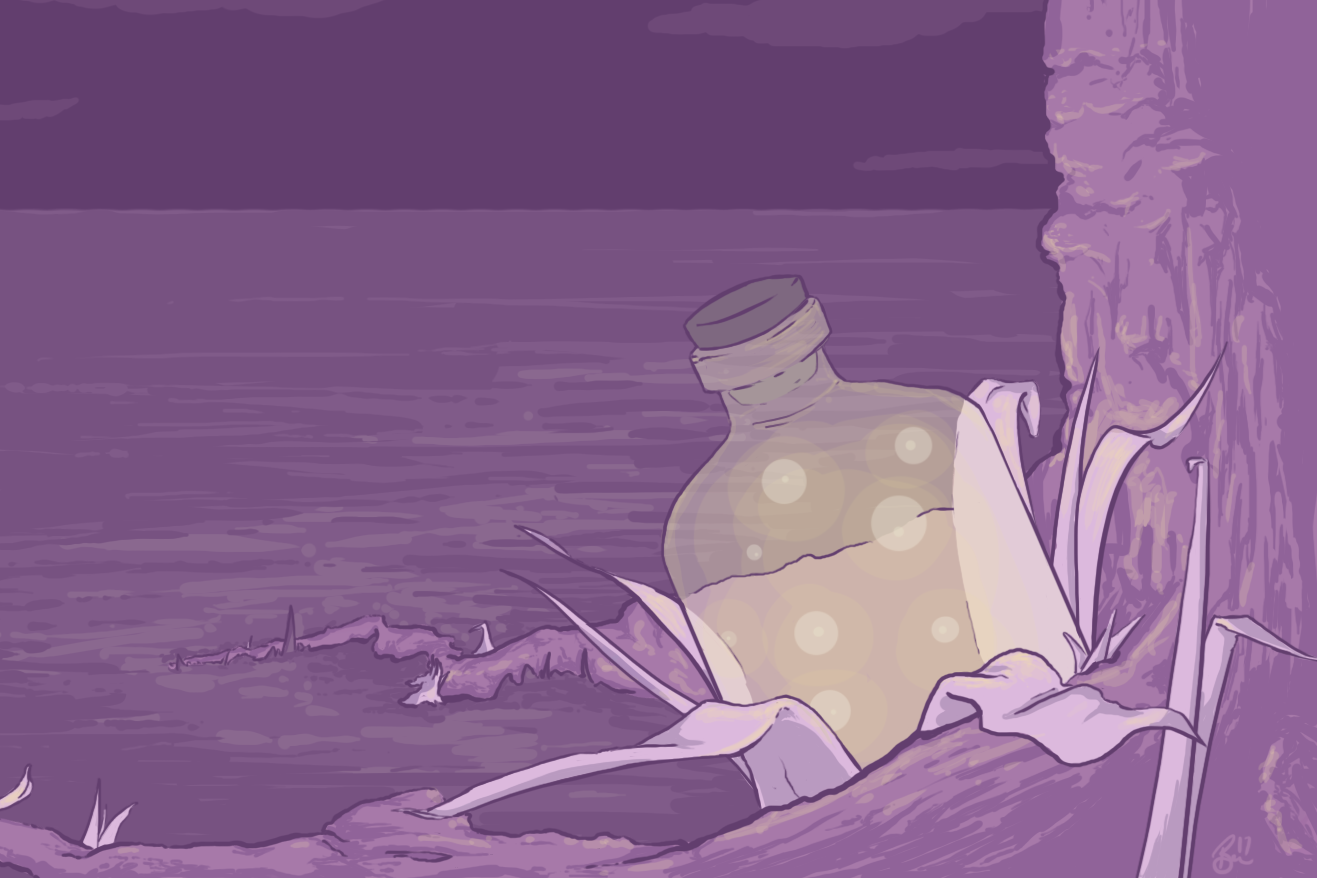
How drift bottles and rubber ducks unravelled the mysteries of ocean currents.

May 17, 2017
By Lucy Dickie
Philosophy & History, Issue 22

Tagged: themed

March 13, 2017
By Ellen Rykers
Philosophy & History, Issue 20

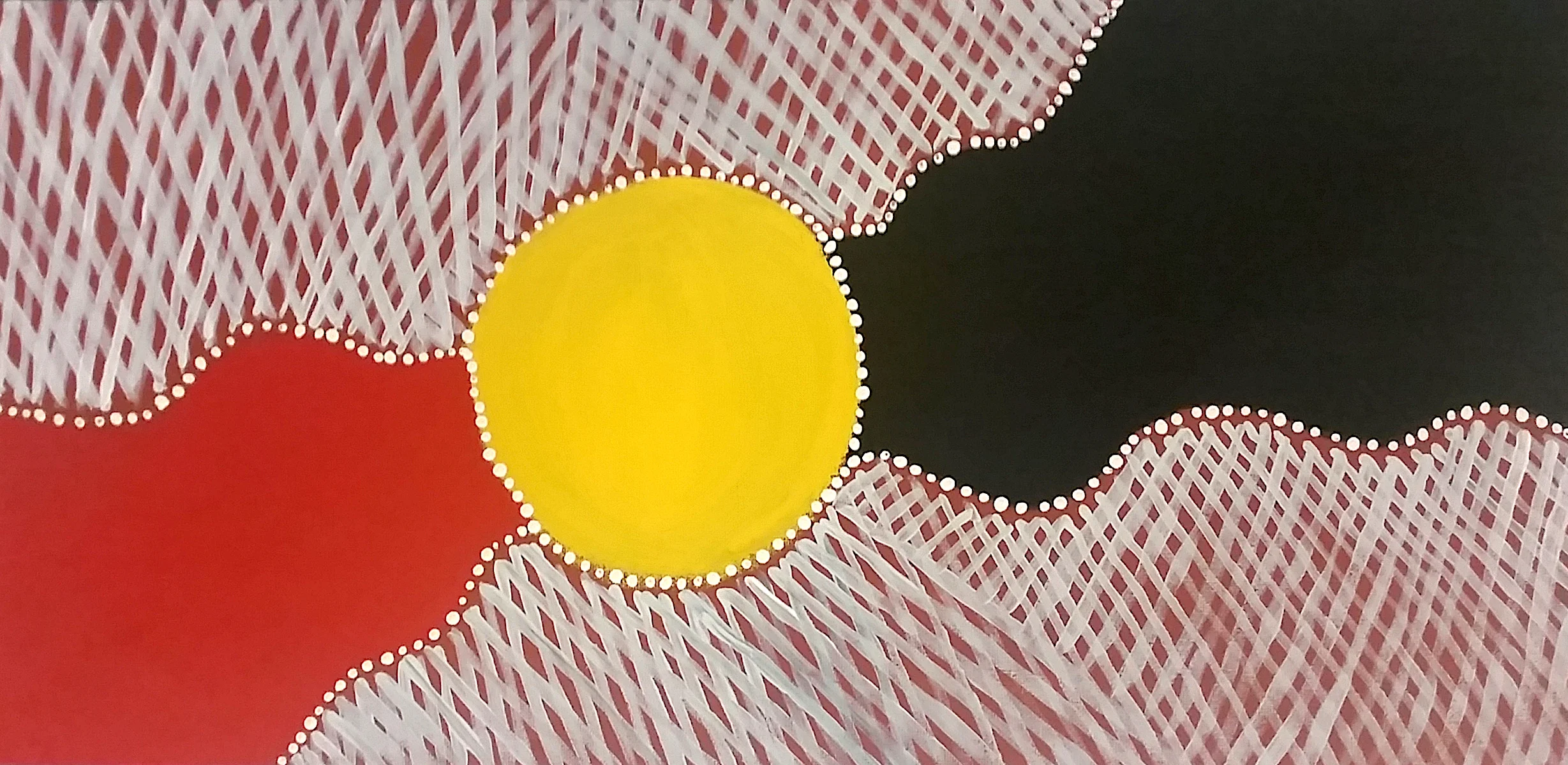
Enchanted earth

March 13, 2017
By Ellen Rykers
Philosophy & History, Issue 20
Enchanted earth

Scientists know the world through data, but Aboriginal Australians know the world through the ancient musical tradition of songlines.

March 13, 2017
By Ellen Rykers
Philosophy & History, Issue 20

Tagged: themed, Best Of

February 10, 2017
By Amy LeBlanc
Issue 19, Philosophy & History

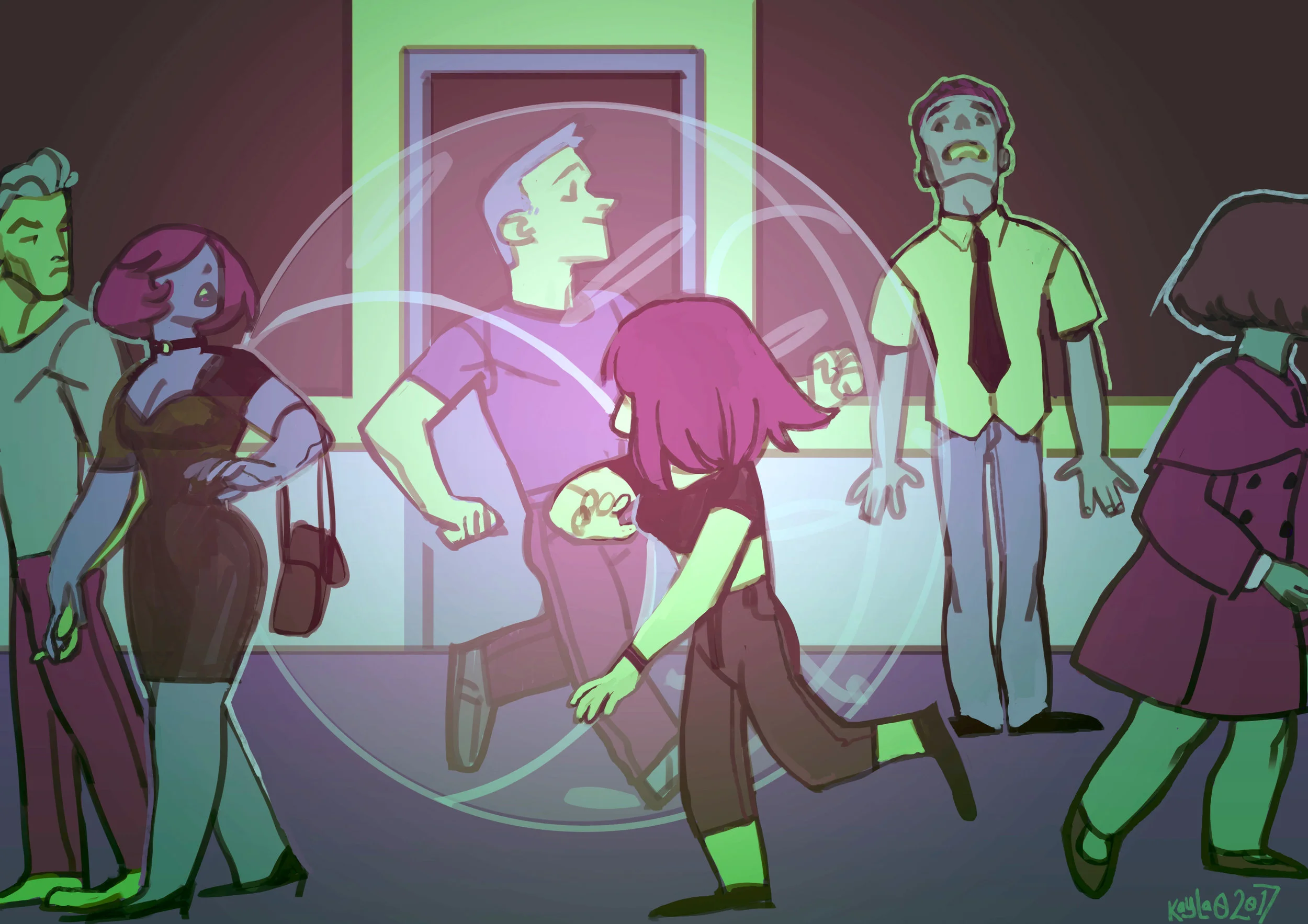
Space invaders

February 10, 2017
By Amy LeBlanc
Issue 19, Philosophy & History
Space invaders

What determines the size of our personal space, and how do we cope when someone encroaches on our territory? Our psychological claim on the world may be more complicated than we think.

February 10, 2017
By Amy LeBlanc
Issue 19, Philosophy & History

Tagged: themed

January 9, 2017
By Chris Drudge
Issue 18, Philosophy & History

The endurance of crude medicines

January 9, 2017
By Chris Drudge
Issue 18, Philosophy & History
The endurance of crude medicines

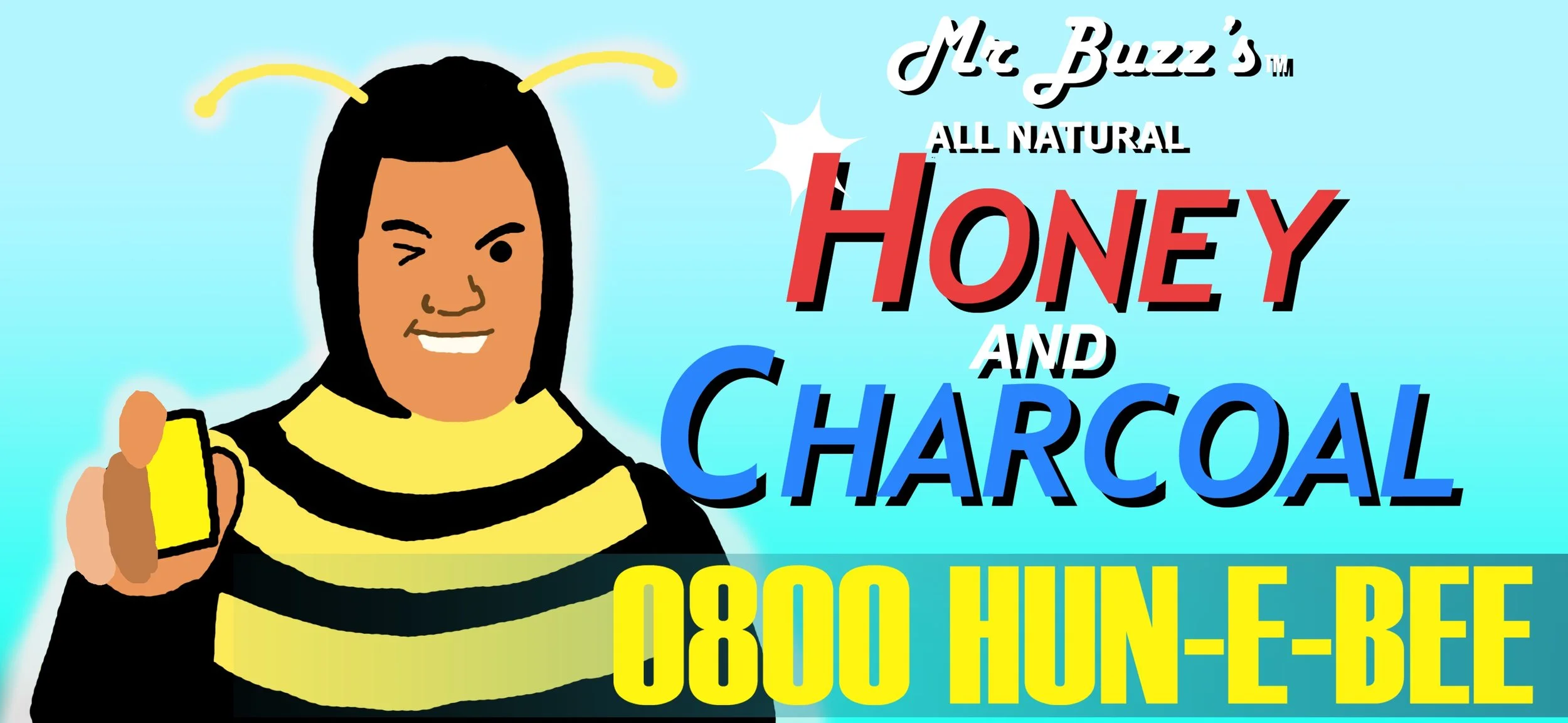
Honey and charcoal, used by medical practitioners since ancient times, still persist in modern hospitals. Not every medicine has to be sophisticated. 

January 9, 2017
By Chris Drudge
Issue 18, Philosophy & History

Tagged: themed

December 13, 2016
By Emma Beckett
Issue 17, Philosophy & History

Beating a new path

December 13, 2016
By Emma Beckett
Issue 17, Philosophy & History
Beating a new path

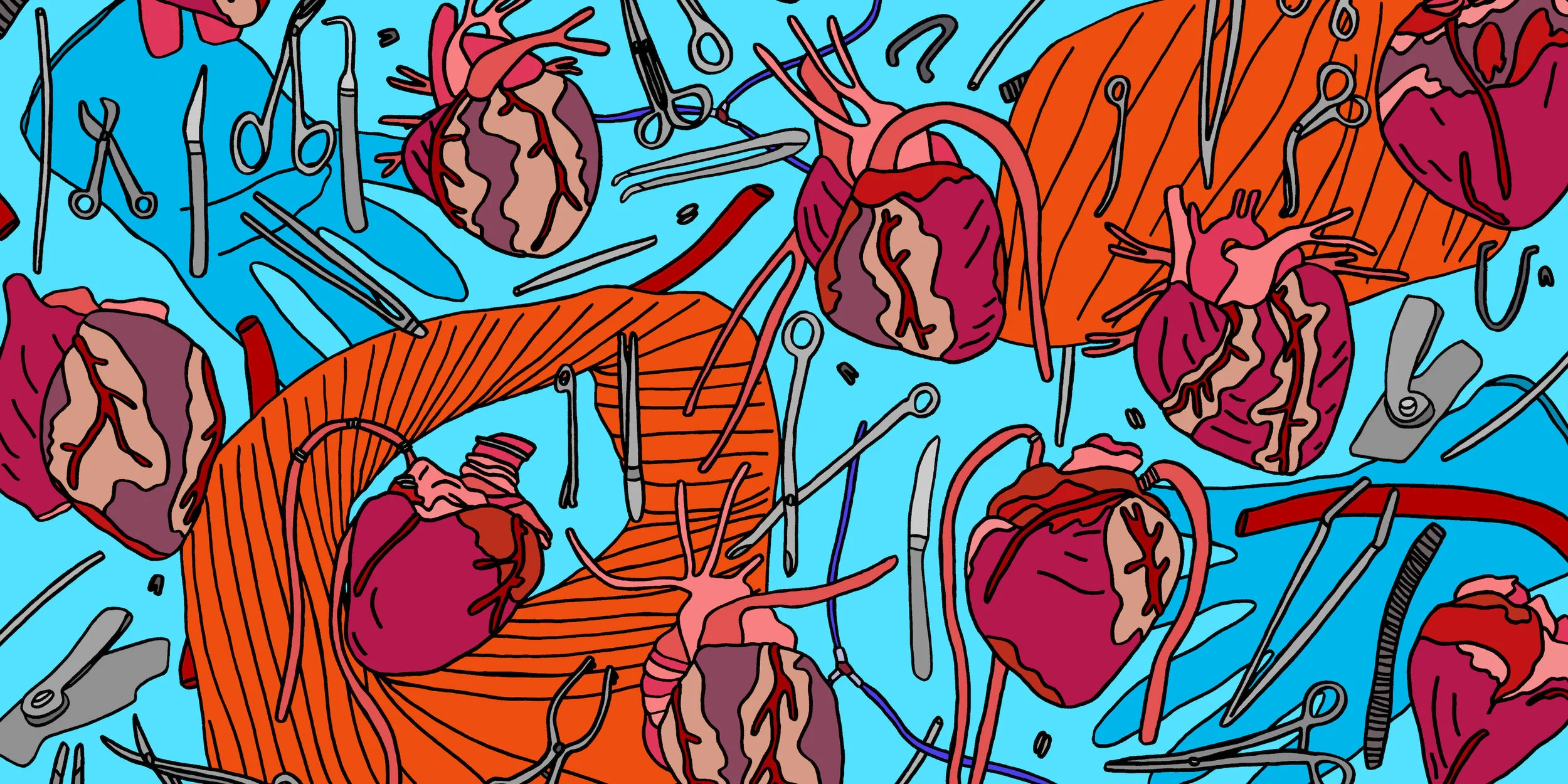
With detours through war zones, animal surgeries and ethical questions, the road to safe heart transplants has been anything but smooth.

December 13, 2016
By Emma Beckett
Issue 17, Philosophy & History

Tagged: themed

October 3, 2016
By Erin Stewart
Issue 15, Philosophy & History

The implications of automation

October 3, 2016
By Erin Stewart
Issue 15, Philosophy & History
The implications of automation

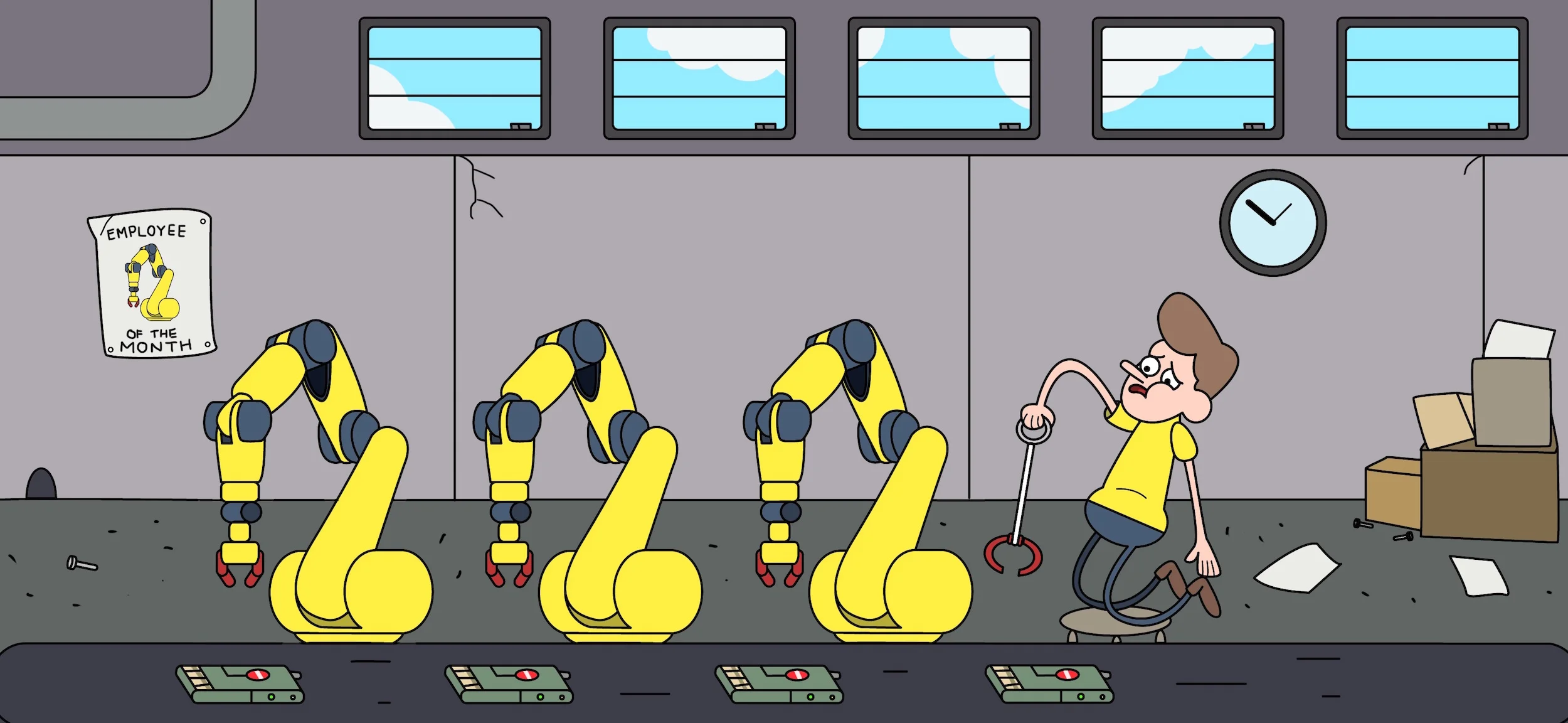
As robots replace more and more human workers, the world needs to work out how to transition to an automated economy without destroying society. 

October 3, 2016
By Erin Stewart
Issue 15, Philosophy & History

Tagged: themed, Best Of

September 8, 2016
By Jack Scanlan
Philosophy & History, Issue 14

A most human heresy

September 8, 2016
By Jack Scanlan
Philosophy & History, Issue 14
A most human heresy

Millions of people in well-educated countries reject the scientific consensus on evolution. Why is it so easy to doubt?

September 8, 2016
By Jack Scanlan
Philosophy & History, Issue 14

Tagged: themed

1 Comment
August 8, 2016
By Diana Crow
Issue 13, Philosophy & History

The depths of space

August 8, 2016
By Diana Crow
Issue 13, Philosophy & History
The depths of space

Earth’s oceans are impressive, but humanity’s history of space exploration has revealed many more seas beyond our own.

August 8, 2016
By Diana Crow
Issue 13, Philosophy & History

Tagged: themed

July 25, 2016
By Andrew Katsis
Issue 12, Philosophy & History

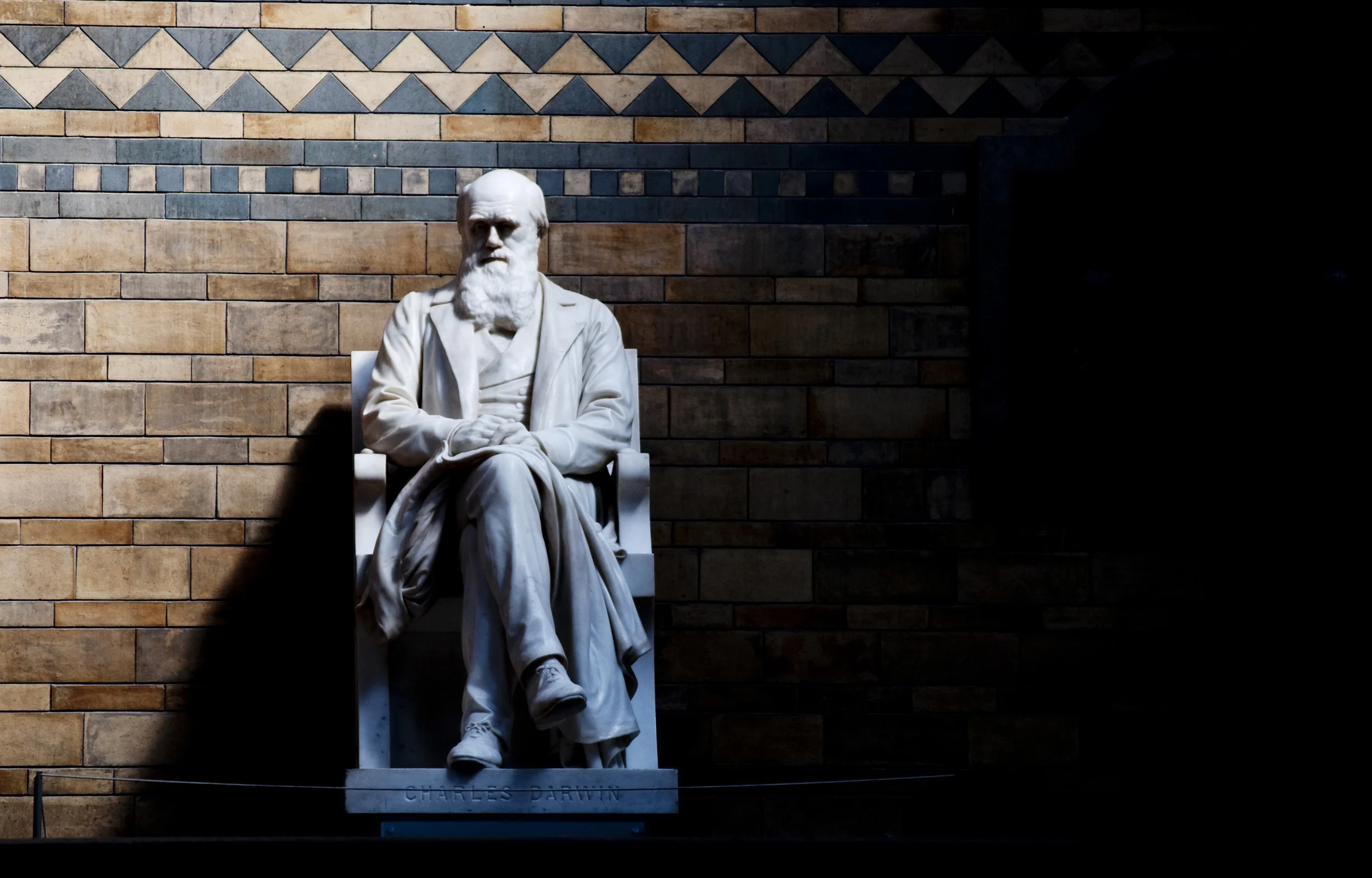
Darwin didn't delay

July 25, 2016
By Andrew Katsis
Issue 12, Philosophy & History
Darwin didn't delay

Charles Darwin is usually painted as a reluctant, tormented hero trapped between religion and science. This is completely wrong.

July 25, 2016
By Andrew Katsis
Issue 12, Philosophy & History

Tagged: general

Newer Posts
Older Posts

Recent Articles

Articles
Young at heart
Young at heart

Premature babies are doing better than ever before, but survival comes with hidden costs.

Read more →
It's time to sequence everything

What can we gain by collecting the genomes of every animal, plant, fungi and protozoa species on the planet?

Read more →
Extinction is a double act

Losing any species is tragic and shameful, but too often we’re not watching closely enough to see the full story.

Read more →
Alone in academia
Alone in academia

For international students, the path to a research career is fraught with issues of isolation and belonging.

Read more →
A composer among chemists

Known more as a musician than a scientist, Alexander Borodin was a friend and colleague to many famous scientists of the nineteenth century. Sometimes those just outside the limelight have their own stories to tell.

Read more →
Writing in entangled languages

The otherwise unrelated ancient languages of Sumerian and Akkadian share a writing system. This led to cultural mixing and exchange that make their relationship hard to define.

Read more →
Flipping the script
Flipping the script

Even today, schizophrenia is most often defined by its psychotic symptoms. Have we been getting it wrong all this time?

Read more →
A partner for life
A partner for life

Humans are social creatures, attuned to seeking supportive relationships with other people. But with antidepressants, we have a different kind of significant other.

Read more →
Search and destroy
Search and destroy

A small island off New Zealand, renowned for its birdlife, stays pristine thanks to the bruising efforts of a small band of weed-spotters.

Read more →
Age-old stereotype
Age-old stereotype

Media often portrays ageing as a time of isolation and loneliness, but new research shows that this perception is inaccurate.

Read more →
Wired for connection

Are we stranding ourselves on digital islands of isolation?

Read more →
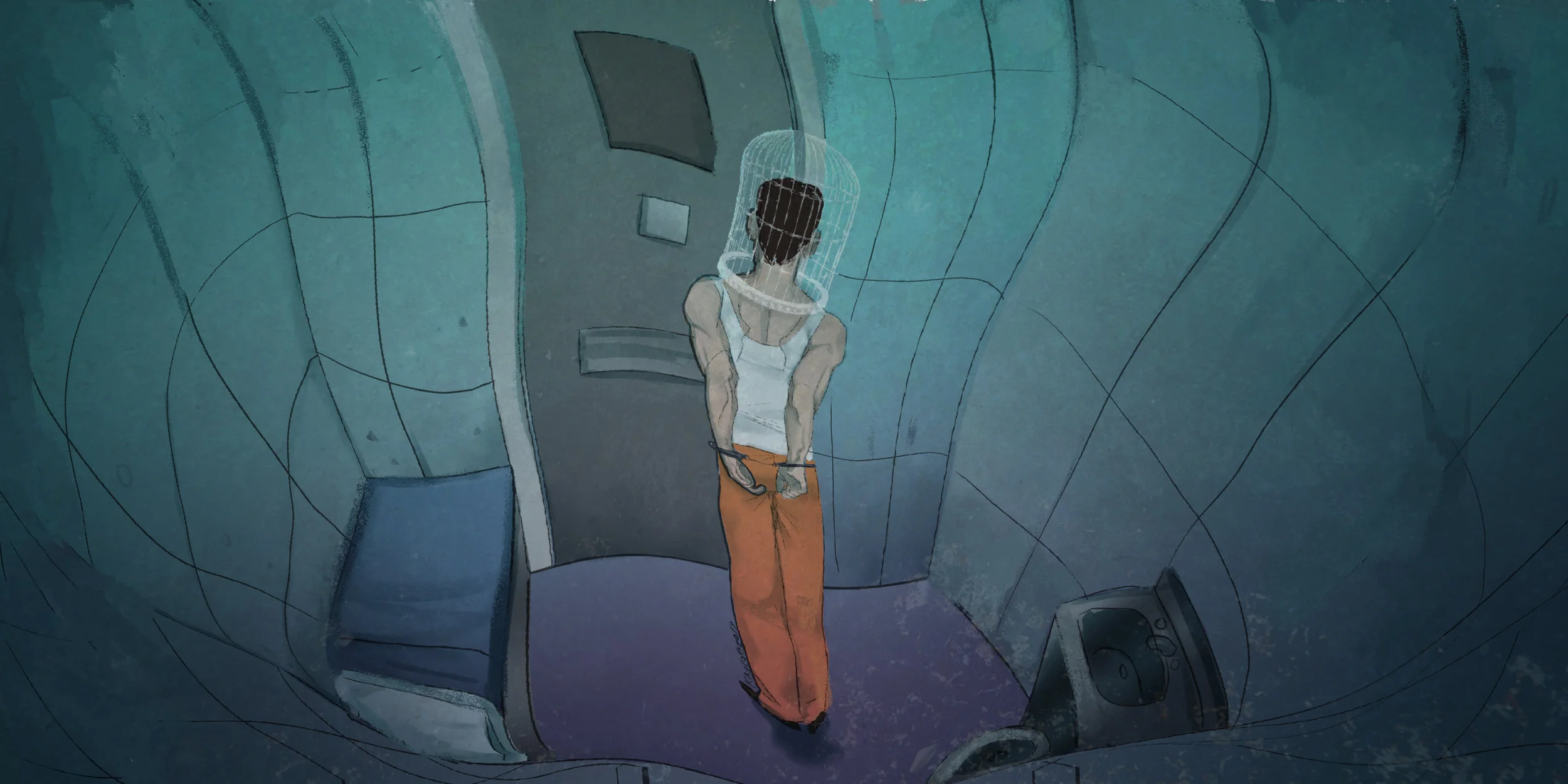
The confined mind
The confined mind

After prisoners went on strike across the United States, guards locked some protestors in solitary confinement. How does isolation in prison affect mental health?

Read more →
Can people be medicine for the lonely?

Rising levels of loneliness are harming our health. Sadly, there’s no magic bullet for this modern malady.

Read more →
All by myself
All by myself

Scientists have a pretty high hit rate of working in remote places, with research taking them to the ends of the Earth, and sometimes even off it.

Read more →
Making a splash
Making a splash

From electrified frogs to salmon in MRI machines, aquatic animals have been at the cutting edge of neuroscience for decades.

Read more →
Chasing traces
Chasing traces

Everywhere an animal goes, it leaves behind microscopic samples of its DNA. Can we exploit these traces for a greater good?

Read more →
Making monster island

Humans have long imagined islands populated by bizarre and dangerous monsters. This unsettling speculation has been a vital part of how we came to understand the unknown.

Read more →
Journey to the bottom of the Atlantic

For centuries, scientists on expeditionary voyages have made fascinating discoveries about the natural world. The deep sea remains one of the last unexplored frontiers – what secrets does it keep?

Read more →
Moon bugs: astronauts under quarantine

On Earth, quarantines help to contain outbreaks. During the Apollo Missions, NASA took precautions to make sure no alien germs hitched a ride back to Earth.

Read more →
When man is an island

In a confined space, evolution sets off in some unusual directions.

Read more →
Breeding Nemo
Breeding Nemo

A captive breeding program may help prevent the aquarium trade from eradicating its most illustrious client.

Read more →
Through the magnifying glass

The Under the Coverslip competition pulls back the curtain on some of the beautiful and colour-splendid sights that can be found only by staring down the lens of the microscope.

Read more →
The fish that makes like a tree

The leafy seadragon is like nothing else in the ocean, a weird and understudied fish that has enthralled many a diver in Australia’s southern coastal waters.

Read more →
Model maladies
Model maladies

To effectively study diseases, we must first replicate their processes and symptoms outside the human body.

Read more →
The brain's role in pain

Our brains can evoke pain even in the complete absence of bodily damage. How do we manage this process when it becomes harmful?

Read more →
Summer camp taught me science

Graduate school entry requirements focus on formal research experience. But some skills needed to work as a scientist can be gained outside the lab.

Read more →
Are there plenty more fish in the sea?

Our appetite for fish is greater than ever. To tackle the issue of sustainability, we need sound science.

Read more →
When whales were fish

Taxonomy in the 18th century struggled with how to define whales and dolphins. But even after science had reached a consensus, popular imagination continued to wonder: is a whale a fish?


Read more →
Are all animals equal?

Every year in Australia, scientists use more than a million marine animals for research and teaching. Untangling the ethics of their use is a slippery business.

Read more →
Fish on the brain
Fish on the brain

What can a humble fish tell us about our brains? Quite a lot, as it turns out

Read more →

Current Issue

All Issues of Lateral
Issue 31: Sidekicks
Issue 31: Sidekicks

February/March 2019

Read more →

Previous Issues

All Issues of Lateral
Issue 30: Isolation
Issue 30: Isolation

December 2018/January 2019

Read more →
Issue 29: Fish
Issue 29: Fish

October/November 2018

Read more →
Issue 28: Imitation
Issue 28: Imitation

August/September 2018

Read more →
Issue 27: Maps
Issue 27: Maps

June/July 2018

Read more →
Issue 26: Villains
Issue 26: Villains

April/May 2018

Read more →
Issue 25: Waves
Issue 25: Waves

February/March 2018

Read more →
Issue 24: Blood
Issue 24: Blood

August 2017

Read more →
Issue 23: Night
Issue 23: Night

June/July 2017

Read more →
Issue 22: Current
Issue 22: Current

May 2017

Read more →
Issue 21: Up in the Air

April 2017

Read more →
Issue 20: Music
Issue 20: Music

March 2017

Read more →
Issue 19: Space
Issue 19: Space

February 2017

Read more →
Issue 18: Obsolete
Issue 18: Obsolete

January 2017

Read more →
Issue 17: Heart
Issue 17: Heart

December 2016

Read more →
Issue 16: Sex
Issue 16: Sex

November 2016

Read more →
Issue 15: Robots
Issue 15: Robots

October 2016

Read more →
Issue 14: Evolution
Issue 14: Evolution

September 2016

Read more →
Issue 13: Oceans
Issue 13: Oceans

August 2016

Read more →
Issue 12: Slow
Issue 12: Slow

July 2016

Read more →
Issue 11: Sport
Issue 11: Sport

June 2016

Read more →
Issue 10: Drugs
Issue 10: Drugs

May 2016

Read more →
Issue 9: Words
Issue 9: Words

April 2016

Read more →
Issue 8: LGBTI
Issue 8: LGBTI

March 2016

Read more →
Issue 7: On The Edge

February 2016

Read more →
Issue 6: Data
Issue 6: Data

January 2016

Read more →
Issue 5: Food
Issue 5: Food

December 2015

Read more →
Issue 4: Transformation

November 2015

Read more →
Issue 3: Collaboration

October 2015

Read more →
Issue 2: Underground

September 2015

Read more →
Issue 1: Firsts
Issue 1: Firsts

August 2015

Read more →
Back To Top
Subscribe
Contact
Contribute
About Lateral
 
No results found
 

Want a reminder when our next issue is published?