contact us
Want to talk to us? We'd love to hear from you: either email the editor-in-chief directly at editor@lateralmag.com, or use the form.
If you're interested in writing or illustrating for us, please use the forms here.
Want to talk to us? We'd love to hear from you: either email the editor-in-chief directly at editor@lateralmag.com, or use the form.
If you're interested in writing or illustrating for us, please use the forms here.
What can we gain by collecting the genomes of every animal, plant, fungi and protozoa species on the planet?
Losing any species is tragic and shameful, but too often we’re not watching closely enough to see the full story.
For international students, the path to a research career is fraught with issues of isolation and belonging.
Known more as a musician than a scientist, Alexander Borodin was a friend and colleague to many famous scientists of the nineteenth century. Sometimes those just outside the limelight have their own stories to tell.
The otherwise unrelated ancient languages of Sumerian and Akkadian share a writing system. This led to cultural mixing and exchange that make their relationship hard to define.
Even today, schizophrenia is most often defined by its psychotic symptoms. Have we been getting it wrong all this time?
Humans are social creatures, attuned to seeking supportive relationships with other people. But with antidepressants, we have a different kind of significant other.
A small island off New Zealand, renowned for its birdlife, stays pristine thanks to the bruising efforts of a small band of weed-spotters.
Media often portrays ageing as a time of isolation and loneliness, but new research shows that this perception is inaccurate.
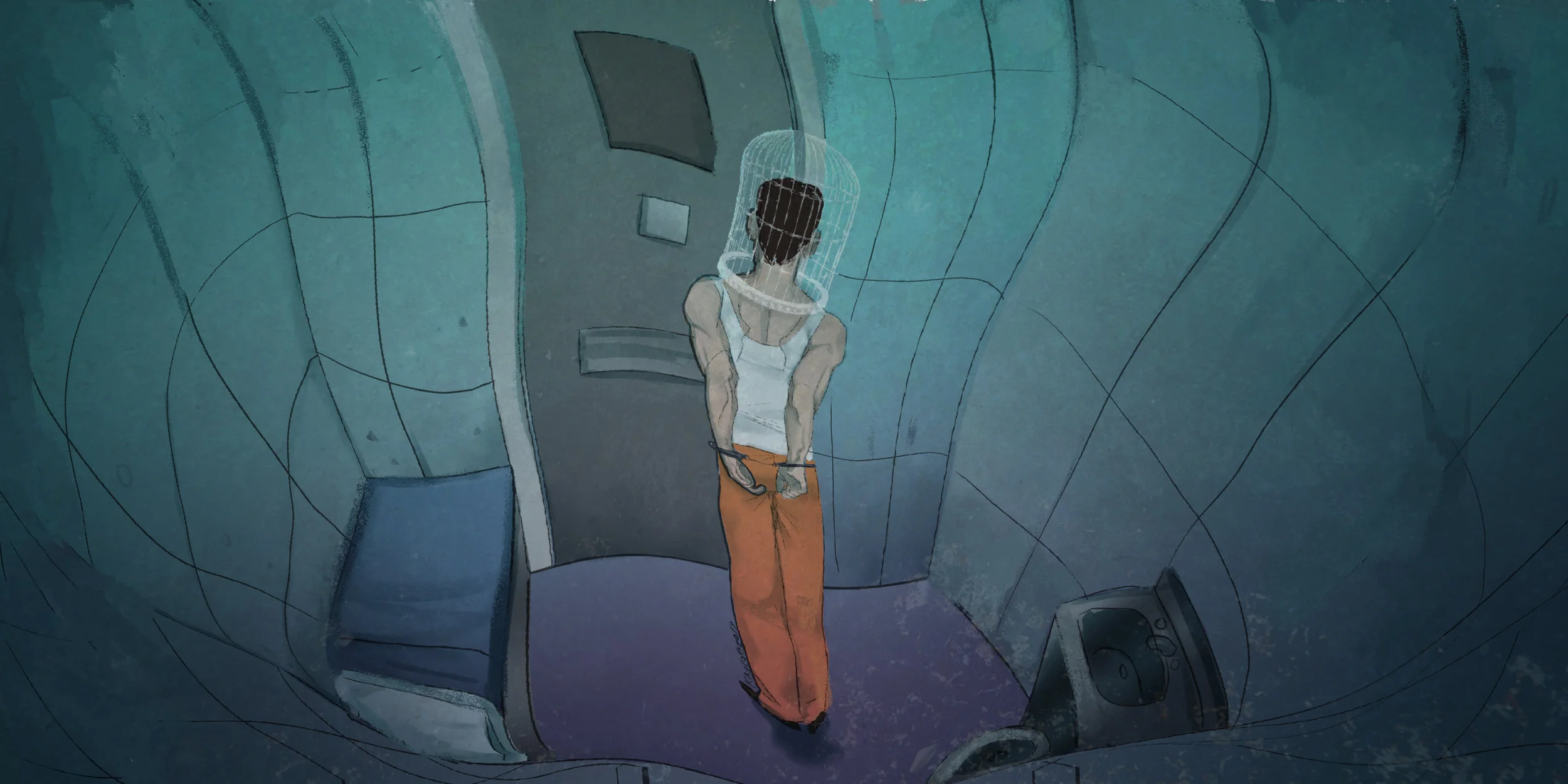
After prisoners went on strike across the United States, guards locked some protestors in solitary confinement. How does isolation in prison affect mental health?
Rising levels of loneliness are harming our health. Sadly, there’s no magic bullet for this modern malady.
Scientists have a pretty high hit rate of working in remote places, with research taking them to the ends of the Earth, and sometimes even off it.
From electrified frogs to salmon in MRI machines, aquatic animals have been at the cutting edge of neuroscience for decades.
Everywhere an animal goes, it leaves behind microscopic samples of its DNA. Can we exploit these traces for a greater good?
Humans have long imagined islands populated by bizarre and dangerous monsters. This unsettling speculation has been a vital part of how we came to understand the unknown.
For centuries, scientists on expeditionary voyages have made fascinating discoveries about the natural world. The deep sea remains one of the last unexplored frontiers – what secrets does it keep?
On Earth, quarantines help to contain outbreaks. During the Apollo Missions, NASA took precautions to make sure no alien germs hitched a ride back to Earth.
A captive breeding program may help prevent the aquarium trade from eradicating its most illustrious client.
The Under the Coverslip competition pulls back the curtain on some of the beautiful and colour-splendid sights that can be found only by staring down the lens of the microscope.
The leafy seadragon is like nothing else in the ocean, a weird and understudied fish that has enthralled many a diver in Australia’s southern coastal waters.
To effectively study diseases, we must first replicate their processes and symptoms outside the human body.
Our brains can evoke pain even in the complete absence of bodily damage. How do we manage this process when it becomes harmful?
Graduate school entry requirements focus on formal research experience. But some skills needed to work as a scientist can be gained outside the lab.
Our appetite for fish is greater than ever. To tackle the issue of sustainability, we need sound science.
Taxonomy in the 18th century struggled with how to define whales and dolphins. But even after science had reached a consensus, popular imagination continued to wonder: is a whale a fish?
Every year in Australia, scientists use more than a million marine animals for research and teaching. Untangling the ethics of their use is a slippery business.








Premature babies are doing better than ever before, but survival comes with hidden costs.